PE Petroleum Exam Prep Products
The PE Petroleum exam is a computer-based test that evaluates your ability to apply engineering fundamentals to petroleum exploration, drilling, and production challenges.
PPI practice exams mirror the real test, helping you build confidence, uncover weak areas, and get more out of every study session.
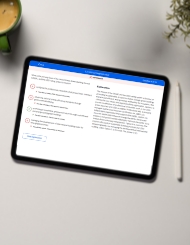
PE Petroleum Practice Exam - 1 Year Access
$98.00
Master the exam with the most realistic practice experience available. This 1-year access pass is designed for engineers who want to sharpen their skills and build confidence through high-fidelity exam simulation.
Our practice problems are meticulously crafted to align with the difficulty, distribution, and topics you will encounter on the actual NCEES PE Petroleum exam.
What’s Included in Your 1-Year Access:
- Full Practice Exam: Experience the most realistic simulation of the PE Petroleum exam on the market. Up-to-date with current exam specifications.
- Detailed Answer Explanations: Go beyond the correct answer. Every problem includes a comprehensive solution and references to the SPE Petroleum Engineering Certification and PE License Exam Reference Guide which NCEES will provide on the exam, helping you learn the logic and locate the necessary formulas quickly.
- Exam-Day Simulation: To mimic the actual testing environment, the platform allows you to reference the handbook on one side of your screen while solving problems on the right.
- Performance Analytics: After completing your practice exam, view detailed performance reports that track your strengths and weaknesses across every exam section, helping you prioritize your final review.
- Representative Difficulty: Every problem is designed to match the complexity and technical depth required to pass the professional licensing exam.
Key Benefits:
- Mobile Friendly: Take your practice on-the-go with access anytime, anywhere via your computer, tablet, or phone.
- Instant Activation: Your 12-month access period begins immediately on the date of purchase.
- Targeted Prep: Eliminate surprises on exam day by practicing with problems that mirror the official NCEES format.
PE Petroleum Engineering FAQs
The PE Petroleum Engineering exam has a total testing time of 9.5 hours. This includes time for exam instructions, the exam session itself, and scheduled breaks. Candidates should plan to be at the testing center for the full appointment window.
Eligibility requirements for the PE Petroleum Engineering exam are set by individual state licensing boards. In most cases, candidates must hold an engineering degree from an accredited program, have passed the FE (Fundamentals of Engineering) exam, and meet a minimum number of years of qualifying engineering work experience. Since requirements vary by jurisdiction, candidates should confirm specific eligibility rules with their state board before registering.
The PE Petroleum Engineering exam is a professional licensure exam for engineers working in the exploration, drilling, production, and management of oil and gas resources. The exam evaluates whether candidates are prepared to practice petroleum engineering at a professional level and is a required step toward earning a Professional Engineer (PE) license in this discipline.
The PE Petroleum Engineering exam covers a broad range of petroleum engineering subject areas, including drilling engineering, reservoir engineering, production operations, formation evaluation, well completion, and petroleum economics. Questions reflect real-world engineering applications commonly encountered in the petroleum industry.